My wife and I like to spend time together and we usually watch a series of some sort. Not too long ago we started watching The Crown. (I suppose that it has even become more relevant when we consider the passing of Prince Phillip back in April of this year.) As a historian, I take things with a grain of salt, so I can’t say for sure how accurate it really is, but nevertheless I’ll continue. (Spoiler alert)
To date, in Season 3, Episode 9, Prince Philip was depicted as having a cold and dismissive relationship with his own father who ultimately blamed him for the tragedy of the fatal airplane crash involving his sister and cousins. (It was a terrible scene, and even more tragic because his sister appeared to be his sole foundation of emotional support.)
He was able to live through these earth-jarring events through the relationships and family he gained by his attendance at his private school. His stability came from the headmaster who became the dominant, guiding, supporting male figure in his life, along with a brotherhood of his fellow male students. It was no wonder Phillip insisted that his own son Charles attend the same school. It was there that Philip found the guidance and opportunity to travel the road to manhood.
Philip felt that Charles’ greatest need towards manhood was to toughen up. (More spoilers ahead…) We see that culmination during the scene when he’s flying his son home and lost his temper at the boy’s fear during the bumpy flight. Although, I’m fairly certain that Charles’ failure to finish the school’s rite of passage endurance test compounded Philips’ own frustration with Charles’ (perceived) lack of masculine development.
Now, I do believe in the power and significance of rites of passages, but it must always be seasoned with wisdom and should be seen as a ‘movement’ not a ‘judgement’. It should move the young person towards manhood, not determine if they are one. A mentor or father has to make sure that it’s the right passage for the individual. Besides, the affirmation of masculine and manly recognition – in my opinion – is most effectively done through ceremony.
Philip subscribed to the school of philosophy that manliness develops and is identified through the experience and endurance of hardship. It’s all about strength and endurance. Now, while those are great qualities, they are not the most definitive ones. (At the end of the episode Charles’ reflection on that period of his life at his private school was described as a “prison sentence” and “hell”.)
I’ve joined several Facebook men’s group in my effort reach out to a variety of men. I don’t often make challenging comments, but the other day I did. One of the groups mirrored what I was talking about above. The mantras was “Do hard things…” I get the concept. Hard work, challenging one’s self, showing strength, these are masculine ideas, but are they things that define masculinity or are they the results of healthy masculinity? What about living your purpose, showing love and promoting identity and connecting spiritually with God? Aren’t these more significant foundations than developing a tough exterior?
When I reflect on Prince Phillip’s depiction, I am reminded of the absolute necessity for fathers to have a connection with God in order to help their sons discover who they are. Shaping identity is not about merely helping your son see who you think he should be, but who God says that he is.
We need to take the “The Angel of God Gideon Approach” where the process of identity discovery begins with observation. Some times we need to sit down under a tree and watch what our sons or daughters are doing. I talk about this in Chapter 11 of the Genesis Man book, which outlines the exchange between these two characters.
The next step is about speaking who they are, and that is dependent on God’s revelation, and the ‘bent‘ of the child, not one’s own perceptions and desires. We should never forget that there are so many different paths and every child is unique. We were not made in the exact same molds, therefore, there is no ‘one size fits all’ when it comes to the journey into manhood.
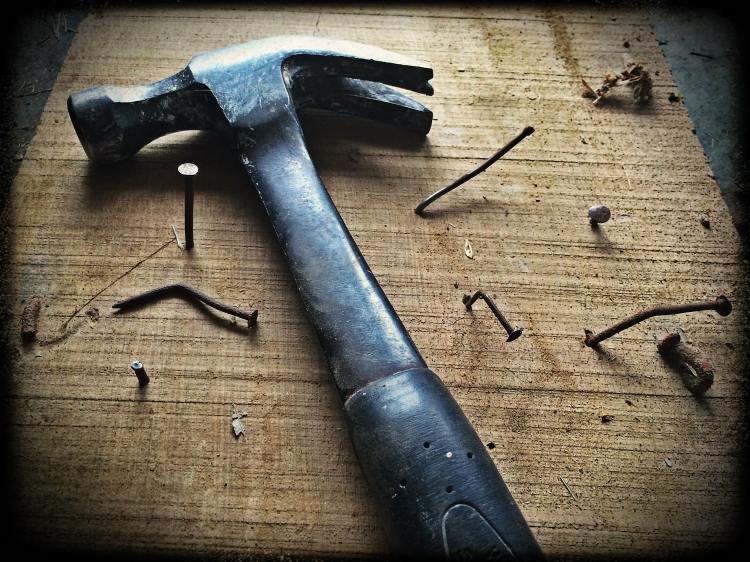
Furthermore, God didn’t make us nails, he made us males.
Your Feedback
What are your thoughts? Do you agree or disagree? Have you seen the Crown? Are there resources that you have read about this topic that you would like to share?


 The Genesis Man Project